
Can Radon Get Into Your Home Through a Sump Pit?
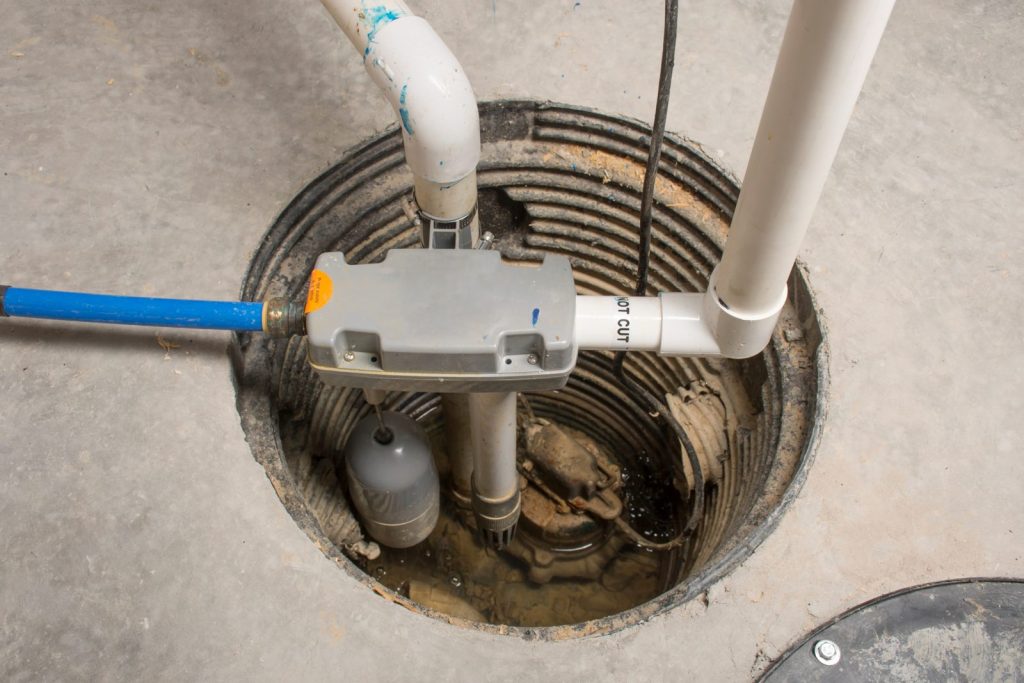
Plenty of basements across the Denver metro, Castle Rock, and Fort Collins have a sump pit tucked into a corner. Most homeowners think of it only when the pump kicks on after a heavy spring storm. But that pit is also a hole in your foundation that opens straight to the soil beneath your home, and that makes it one of the most common entry points for radon. Here's how a sump pit affects radon levels and what you can do about it.
Why Is a Sump Pit a Common Entry Point for Radon?
A sump pit is designed to collect groundwater from around and beneath your foundation, which means it's connected to the soil and drain tile under the slab. Radon, a radioactive gas produced naturally as uranium breaks down in soil and rock, travels through that same soil. Along the Front Range, where about one in two homes has elevated radon, there's often a lot of it.
An uncovered pit, or one with a loose, unsealed lid, gives radon a wide-open path into your basement. Gaps around the discharge pipe and electrical cord are enough to let soil gas through. If you want the full picture, our post on how radon enters your home covers the other common pathways, from slab cracks to utility penetrations.
How Does Your Home Pull Radon Up Through the Sump Pit?
Your home acts a bit like a chimney. Warm air rises and leaks out of the upper floors, and that creates slightly lower pressure in your basement. Exhaust fans, clothes dryers, and furnaces add to the effect. When the air pressure in your basement is lower than the pressure in the soil, the soil gas is drawn toward any opening it can find.
Because the sump pit connects to the gravel and drain tile beneath the slab, it can collect soil gas from a large area under your home and channel it into the basement. That's why homes with an open sump can see higher readings in the basement, especially in colder months when the house is closed up and the heat is running.
How Do You Seal a Sump Pit Against Radon?
The fix is an airtight sump lid. A proper radon-rated cover is sealed to the floor around the pit and includes gasketed openings for the discharge pipe and electrical cord. Many include a clear viewing port so you can check the pump without removing the lid.
A sealed lid should:
- Fit tightly to the rim of the pit and be sealed to the slab
- Have sealed grommets or gaskets around every pipe and cord
- Allow access for pump maintenance without breaking the seal permanently
- Stay in place whenever the pump is running or being serviced
If your current pump isn't keeping up with groundwater, or your pit was never properly installed, APEX Radon also handles sump pump and pit installation so the pit can be sealed correctly from the start.
Can a Sump Pit Be Part of a Radon Mitigation System?
Yes, in many homes it can. When a basement has a sealed sump pit connected to drain tile, the pit can sometimes serve as a suction point for a radon mitigation system. A pipe is connected to the sealed lid, and a radon fan creates suction that pulls soil gas from the drain tile network and vents it above the roofline.
Whether this approach makes sense depends on how your drain tile is laid out, how well the soil and gravel beneath your slab allow air to move, and where the pit is located. In some homes, a separate suction point through the slab works better, or both are used together. That's why it's important to have a professional evaluate your foundation before deciding on a design. Our post on how a radon mitigation system works explains the basics of how suction beneath the slab lowers radon levels.
Does Sealing Your Sump Pit Lower Radon Enough on Its Own?
Usually not. Sealing the sump is a valuable step, and in some homes it noticeably lowers basement readings. However, radon can still enter through slab cracks, floor drains, wall joints, and any crawl space areas. Sealing reduces the number of openings, but it doesn't change the pressure relationship that pulls radon in.
The only way to know where you stand is to test. If you're not sure how the process works here, our guide to understanding radon testing in Colorado covers the basics. A follow-up test after sealing will show whether your levels have dropped below the EPA action level of 4.0 pCi/L. If they haven't, an active mitigation system is the reliable next step. Tennessee Radon Services has a good overview of how radon testing helps keep your family safe if you're new to the process.
Will a Sealed Sump Lid Make Your Sump Pump Harder to Maintain?
No, a well-designed sealed lid shouldn't get in the way of maintenance. Most radon-rated sump covers include a viewing window so you can see the water level and pump without opening the pit. When the pump does need service, the lid can be unfastened, and the seal can be reapplied once the work is done. The important thing is to make sure the lid is put back and sealed afterward, since a lid left loose or propped open will let radon back into your basement.
Can a Sump Pump Failure Affect Your Radon Mitigation System?
Yes, it can. If the sump pit is being used as a suction point and the pump stops working, water can rise in the pit and drain tile. That water can block the airflow the radon fan relies on, which reduces how well the system pulls soil gas from beneath the slab. A flooded basement can also damage system components. Testing your pump before the spring storm season and listening for unusual sounds from the pump or radon fan help you catch problems early.
What if Your Basement Has a Floor Drain as Well as a Sump Pit?
Floor drains should be addressed too. Like a sump pit, a floor drain can connect to the soil or drain tile beneath your home and act as a pathway for radon. Many floor drains can be fitted with a trap or a one-way drain insert that lets water flow down while blocking soil gas from coming up. During a mitigation assessment, a radon professional will look at every opening in the slab, including drains, so the system can be designed to work as efficiently as possible.
Does a Sump Pit Affect Radon Test Results?
It can affect them, so it's worth noting where the pit is when you test. An open or poorly sealed pit can raise the radon level in the basement, especially near the pit itself. Radon tests should be placed in the lowest lived-in level of your home, away from the sump, drains, exterior walls, and drafts, so the result reflects the air you breathe rather than a single hotspot. If you seal the pit, retesting afterward shows how much of a difference it made.
Should You Worry About an Open Sump Pit When Buying a Denver-Area Home?
It's worth paying attention to, but it's a very manageable issue. An open sump pit is common in older Colorado homes, and it's one of the easier openings to correct. Make sure a radon test is part of your inspection period, and ask whether the home has an existing mitigation system. If results come back high, sealing the pit and installing a mitigation system are both routine solutions. Knowing about it early lets you plan before closing rather than after you move in.
If you're in Denver, Castle Rock, Fort Collins, or nearby, APEX Radon can test your home, seal your sump, and design a system that fits your foundation. Already have a system that isn't performing the way it should? We also provide radon system inspections and repair, and Environmental Doctor shares some helpful signs that a radon system needs repair. Contact APEX Radon today to get started.
